Ainsworth - Attachment Styles
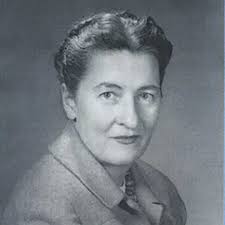 With her pioneering 'Strange Situation' study, psychologist Mary Ainsworth (1978) built upon Bowlby's ideas of attachment whilst pointing to the direct impact of attachment on behaviour. Her study involved researchers observing how children between the age of 12 and 18 months responded to a situation in which they were briefly left alone with a stranger and then reunited with their mothers.
Based on observations of these infants' behavioural responses, Ainsworth described three general styles of attachment:
- Secure Attachment - these children would readily explore, play, and engage with the stranger when in the presence of their mothers. They would become upset once their mothers departed and then become happy on their return.
- Anxious-avoidant Attachment - these children would avoid or ignore their mothers, and display little distress when they departed. It was theorised that this lack of visible emotion was masking the anxiety they felt as a result of being continuously rebuffed by their caregivers.
- Anxious-ambivalent Attachment - these children showed distress even before being separated from their mothers and would be needy and difficult to console on their return.
Later, a fourth attachment style was introduced by researchers Main and Solomon (1986), which they called Disorganised-insecure Attachment.
On the next page you will see two videos which describe the above attachment styles whilst providing some current perspectives on attachment theory.